

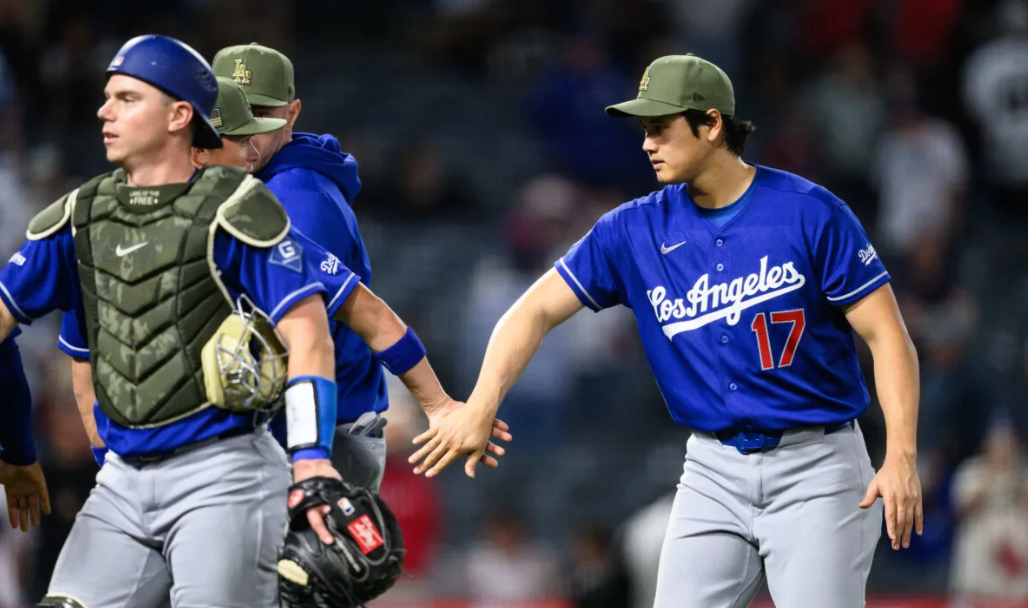
Baseball has produced dynasties in various forms across its history — the Yankees of multiple eras, the Oakland A’s of the early 1970s, the Cincinnati Reds’ Big Red Machine. The Los Angeles Dodgers of the current era belong in that conversation, and the argument for their inclusion grows stronger with each season. Consistent playoff appearances, a payroll that reflects ownership’s genuine commitment to winning, and a roster construction philosophy that combines star power with depth in ways that smaller market teams can only observe with envy — the Dodgers have built something that resembles sustained organizational excellence rather than cyclical contention. Fans looking to follow Dodgers games and MLB markets with dedicated coverage can find comprehensive options at dbbet online.
Los Angeles Dodgers: The Organizational Blueprint
The Los Angeles Dodgers operate at the intersection of financial advantage and analytical sophistication in ways that maximize both inputs more completely than most comparable big-market franchises manage. Ownership’s willingness to absorb luxury tax penalties — effectively treating the tax as a cost of doing business rather than a ceiling on ambition — creates roster flexibility that allows the organization to pursue premium free agents while maintaining development depth. The front office’s analytical approach identifies value in player acquisition that raw market pricing occasionally misses, producing roster contributions that exceed contract cost in ways that sustain competitive depth beyond the headline signings. The result is a franchise that enters each season as a legitimate World Series contender not through fortune but through consistent organizational decision-making that compounds advantages across multiple roster construction cycles.
Dodgers Games: What Makes Each One Worth Watching
Dodgers games at Dodger Stadium deliver a specific baseball experience that the venue’s history, Los Angeles’s entertainment culture, and the current roster’s star power combine to make genuinely compelling across a 162-game season. The stadium — opened in 1962 and consistently maintained to a standard that makes it one of baseball’s most pleasant environments — sits above the city with sight lines and sunsets that visiting players and journalists consistently describe as among baseball’s most beautiful. The roster’s construction ensures that virtually every game features multiple performers whose individual excellence provides entertainment value independent of the competitive result. Shohei Ohtani’s presence alone — as the most talented two-way player in baseball history — transforms any game he pitches or any at-bat he takes into a must-watch moment that transcends the Dodgers’ specific competitive positioning.
Shohei Ohtani: The Greatest Player in Baseball History in Real Time
The Dodgers’ acquisition of Shohei Ohtani on the largest contract in professional sports history was a statement that redefined what organizational ambition looks like in modern baseball. Ohtani’s combination of elite starting pitching and elite power hitting — performing both at All-Star or better level simultaneously — represents a player type that baseball had not seen since Babe Ruth and may never see again after Ohtani. His presence in the Dodgers lineup changes how opposing managers construct their pitching strategies. His starts as a pitcher create must-watch television that draws audiences well beyond the traditional baseball fanbase. The contract’s deferred structure — reflecting Ohtani’s genuine organizational commitment rather than purely financial calculation — created a template for athlete-franchise partnerships that other sports are now studying. Managing Ohtani’s workload across a full season while maximizing his two-way contributions is the most interesting roster management challenge in baseball.
Freddie Freeman and the Lineup’s Depth
Beyond Ohtani, the Dodgers roster features a lineup depth that opposing pitching staffs must navigate without the relief of genuinely weak spots that most batting orders contain. Freddie Freeman’s 2024 World Series performance — delivering a walk-off grand slam in Game 1 under circumstances that acknowledged his personal family challenges — demonstrated that the first baseman’s value extends beyond his considerable statistical contributions into the leadership and competitive temperament that determine how teams perform in high-leverage October moments. The lineup’s construction around multiple legitimate offensive threats — players who can hurt pitchers through power, contact, and speed in combinations that prevent opposing managers from designing specific game plans that neutralize the attack — reflects roster philosophy executed at the highest level available in modern baseball.
Blue Jays vs Dodgers: An Interleague Matchup Worth Following
Blue Jays vs Dodgers interleague matchups carry specific appeal that the contrast between the two organizations’ current trajectories amplifies. Toronto has assembled offensive talent — Vladimir Guerrero Jr., Bo Bichette, and their supporting cast — that makes them one of the AL’s most dangerous lineups on any given night. Their pitching development and the consistency required to convert lineup quality into playoff positioning in the AL East’s brutal competitive environment represents the organizational challenge that has defined recent Blue Jays seasons. Against the Dodgers, the matchup pits AL power against the NL’s most complete roster — a competitive test that interleague scheduling provides without the playoff stakes that would make the result consequential to standings. These games nonetheless reveal competitive quality in ways that divisional familiarity sometimes obscures.
Starting Rotation: The Foundation of Dodgers Success
The Dodgers’ pitching approach — building a rotation around elite arms while maintaining the bullpen depth that modern baseball’s workload management demands — reflects organizational philosophy that has consistently produced October-ready pitching regardless of regular season health challenges. The rotation’s construction acknowledges that sustaining five starting pitchers across 162 games and a playoff run without injury disruption is statistically unlikely, building depth that allows setbacks to be absorbed without catastrophic competitive consequence. The analytical framework governing how starting pitching workload is managed — the decisions about pitch counts, lineup cycling, and bullpen deployment — represents some of the sport’s most sophisticated application of performance data to competitive decision-making. The results, measured in playoff pitching performances that have sustained Dodger October relevance consistently, validate the organizational approach.
Dodger Stadium: Baseball’s Most Beautiful Park
Dodger Stadium’s position in baseball’s venue conversation is complicated by its contrast of historic charm and Los Angeles’s entertainment standards. The park’s hillside location above Echo Park, its symmetrical dimensions, the palm trees visible beyond the outfield walls, and the consistent quality of its playing surface create an environment that longtime baseball observers consistently rank among the sport’s most aesthetically pleasing. Renovations in recent years have improved concourse facilities and fan amenities without compromising the stadium’s essential character — a balance that renovation projects at historic venues frequently fail to achieve. The attendance culture — Los Angeles fans arriving late and leaving early in patterns that have drawn criticism — reflects the city’s entertainment options more than its baseball passion, which burns hottest in October when playoff baseball converts casual observers into genuine competitors.
The NL West and Dodgers’ Divisional Dominance
The National League West has been the Dodgers’ competitive home across a decade of divisional title accumulation that represents one of the sport’s most remarkable sustained periods of divisional dominance. The San Diego Padres — with Fernando Tatis Jr. and a roster built to challenge Dodgers hegemony — represent the division’s most credible ongoing challenger. The San Francisco Giants’ organizational rebuild has produced competitive relevance that the historic rivalry with Los Angeles amplifies into some of the division’s most emotionally charged series. The Arizona Diamondbacks’ recent playoff success demonstrated that the Dodgers’ path through October is not guaranteed by regular season dominance — the postseason’s compressed format creates variance that even the sport’s best regular season teams must navigate rather than assume. Maintaining divisional dominance while preparing specifically for the playoff environment that has occasionally frustrated Dodger October ambitions is the organization’s perpetual balancing act.
Wat Sustained Dodgers Dominance Requires Going Forward
Maintaining the Dodgers’ position as baseball’s premier franchise across the next competitive cycle requires organizational excellence in areas where past success creates specific vulnerabilities. The luxury tax’s compounding penalties for repeated violations create financial pressure that even the Dodgers’ ownership must eventually acknowledge. Player aging curves — particularly relevant for a roster built around established stars rather than predominantly young talent — create replacement challenges that analytical sophistication must address before performance decline compounds simultaneously across multiple roster positions. The farm system’s health — its ability to produce MLB contributors who supplement rather than merely replace departing veterans — determines whether the organization can sustain depth as the major league payroll’s premium commitments limit available resources for roster supplementation. The Dodgers have demonstrated repeatedly that they can solve these problems. Whether they continue doing so while maintaining championship-level performance is what the next era of Dodgers baseball will answer.
