

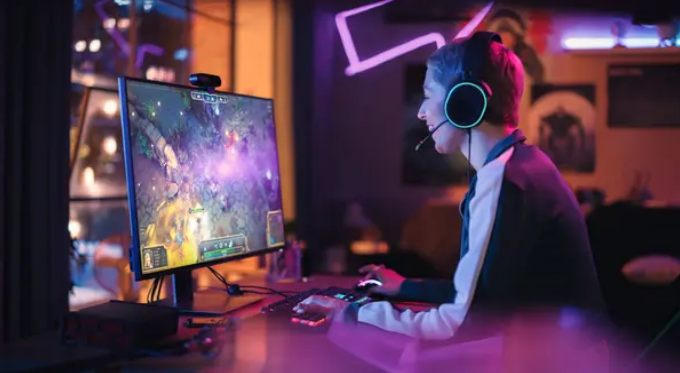
Have you ever thought about how something people once did quietly in their bedrooms became one of the biggest shared activities on the planet?
Online gaming has grown from a simple hobby into a huge part of modern culture. What started as players sitting at home, connecting through screens, has become a common way for people to meet, talk, compete, learn, and spend time together.
It is no longer just about passing time. It is about connection, creativity, teamwork, and shared moments.
The rise of online gaming feels special because it happened through ordinary people. Friends invited friends. Players formed groups. Communities grew around shared interests.
Little by little, online gaming moved from private rooms into daily conversations, weekend plans, social spaces, and cultural habits across many countries.
A Hobby That Started Close to Home
Online depo gaming began as something personal and familiar. For many people, it happened in a bedroom, living room, small study corner, or shared family space. It was casual, comfortable, and easy to enjoy after school, after work, or during free time.
That home-based feeling helped online gaming grow in a natural way. People did not need a big event to take part. They only needed time, curiosity, and the wish to play with others.
The Bedroom Became a Social Space
For a long time, a bedroom was seen as a private place. Online gaming changed that in a positive way. A player could sit at home and still join friends, teammates, and communities from many places.
The room stayed the same, but the experience became much bigger. A player could laugh with friends, plan with a team, or join a group activity without leaving their chair.
That made gaming feel both personal and social at the same time. It gave people the comfort of home and the fun of being with others.
Playing Turned Into Hanging Out
Many people did not log in only to play. They logged in to talk, catch up, and spend time with people they liked.
The game gave everyone something to do, while the conversation made it feel like a hangout.
A normal session might include:
- Chatting before the match starts
- Sharing small updates from the day
- Helping a friend learn something new
- Laughing at a funny moment
- Making plans for the next session
These simple moments helped online gaming become part of everyday social life.
Community Changed Everything
The real rise of online gaming happened because people built communities around it. A game could bring players together, but the community gave them a reason to stay.
These communities often grew through shared routines. People met at certain times, joined familiar groups, and created their own customs. Over time, the space started to feel warm and familiar.
Players Found Their People
Online gaming helped people connect through shared interests. A person who enjoyed teamwork could find a group that liked planning. A relaxed player could find others who preferred casual sessions. A competitive player could join people who enjoyed focused practice.
That choice made gaming spaces feel personal. Players could find groups that matched their mood, skill level, and style.
This is one reason online gaming became so popular. It gave people a place where they could feel understood through play.
Group Identity Became Part of the Fun
Many slot gacor gaming communities develop their own identity. They have favorite routines, common jokes, team habits, and shared memories. These details make the group feel alive.
A player may remember a close win, a funny mistake, or a night when everyone worked perfectly together. Those memories become part of the group’s story.
Here is a simple look at how community adds meaning:
| Community Element | Why It Matters |
| Shared routines | Gives people something to return to |
| Group chat | Keeps friendships active |
| Team roles | Helps everyone contribute |
| Inside jokes | Makes the space feel personal |
| Shared goals | Brings people together |
Online gaming grew because it gave people more than matches. It gave them belonging.
Technology Made Connection Feel Natural
As internet access improved and devices became more common, online gaming became easier to join. More people could play, talk, watch, and take part from different places.
The technology mattered, but the human side mattered more. People used these tools to build friendships, practice skills, and create shared experiences.
Play Became More Accessible
Online gaming became part of global culture because many people could join in a way that fit their lives. Some played on weekends. Some played after work. Some joined short sessions during free time.
This flexibility helped gaming become a regular part of modern routines. It did not always need a full day or a big plan. A few rounds with friends could be enough to make the evening feel fun.
That easy access helped online gaming move beyond small groups and into wider culture.
Communication Became Part of Play
Voice chat, text chat, group messages, and community spaces made gaming more social. Players could plan, joke, teach, and react together.
This changed the feeling of play. It became less like doing something alone and more like being part of a shared activity.
Players learned to communicate in simple ways:
- Share the plan.
- Listen to the group.
- Help when needed.
- Celebrate progress.
- Return for the next session.
These habits helped online gaming become a space for real teamwork and connection.
Online Gaming Became Part of Daily Culture
At some point, online gaming stopped being seen as a small side hobby. It became part of how people spend time, make friends, and talk about entertainment.
People now discuss gaming moments the way they discuss sports, shows, music, or weekend plans. It has become a common language for many age groups.
It Created Shared Moments Across Borders
One beautiful part of online gaming is how it connects people across distance. Players from different countries can share the same goal, laugh at the same moment, and build memories together.
That kind of connection feels natural during play. People may come from different places, but the team goal gives everyone a shared focus.
This helped online gaming become larger than a local hobby. It became a cultural bridge.
It Inspired New Forms of Creativity
Online gaming also gave players room to create. People make custom challenges, group events, stories, clips, artwork, and personal play styles.
The game may start the activity, but players often add their own imagination. They create traditions, organize friendly contests, and turn simple sessions into memorable experiences.
That creativity helped online gaming grow into a cultural space, not just a pastime.
Final Thoughts
Online gaming rose from bedroom pastime to global culture because it gave people something simple and meaningful: a way to play together.
It started in personal spaces, then grew through friendships, communities, technology, and shared creativity. Its rise may seem surprising at first, but the reason is clear. People enjoy spaces where they can connect, improve, laugh, and feel part of something.
