

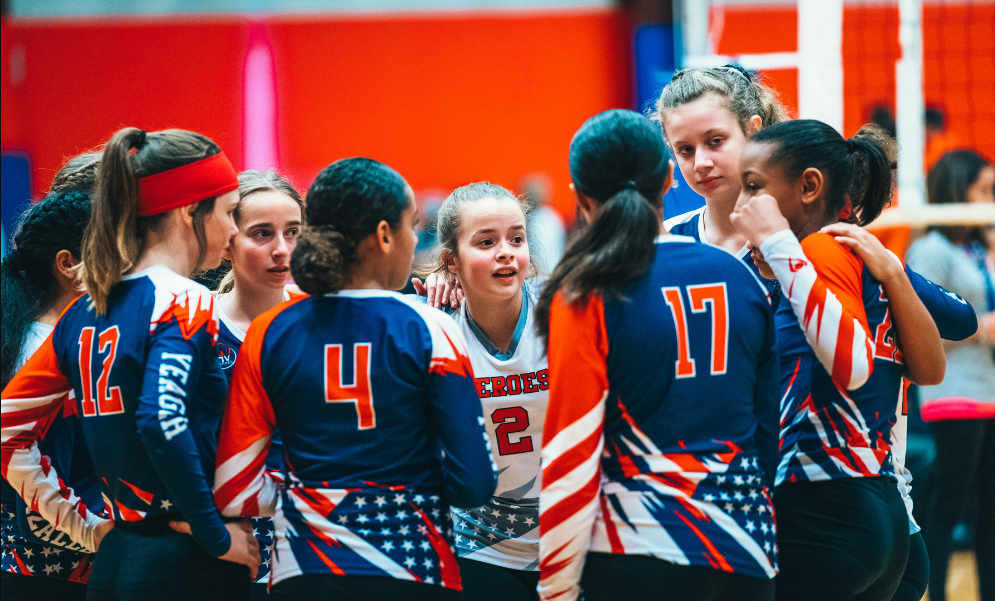
Cities are where sporting futures are made or lost. The infrastructure, the coaching access, the competitive opportunities — they concentrate in urban environments in ways that determine which young athletes get discovered and which ones never find the right context. Across the developing world, community programs are increasingly recognized not just as social welfare tools but as genuine talent development pipelines. When structured correctly, urban sport reaches young people that formal academy systems miss entirely. Fans following competitive sport across East Africa and beyond can explore markets and coverage at Dbbet.
What Urban Sports Actually Means in Practice
Urban sports is a category that spans disciplines — street football, basketball, skateboarding, parkour, breakdancing, and 3×3 basketball all carry the label — but the defining characteristic is accessibility. Urban sport happens in the spaces cities already have: courts, open lots, streets, parks. No elaborate facility investment is required to begin. This accessibility is precisely why urban sport has become a serious development conversation in cities across Africa, South Asia, and the Middle East where formal sporting infrastructure is limited but young populations are enormous. The IOC’s inclusion of breakdancing and 3×3 basketball in the Olympic program signals institutional recognition that urban disciplines carry legitimate competitive credentials alongside their grassroots cultural roots.
Community Programs: More Than Recreational Activity
Well-designed community programs deliver outcomes that extend well beyond keeping young people active. Research consistently shows that structured sport participation correlates with improved school attendance, reduced involvement in antisocial behavior, and stronger social cohesion in neighborhoods experiencing economic pressure or post-conflict recovery. In cities like Mogadishu, Nairobi, and Dhaka, community sport programs funded by NGOs, government agencies, and sports federations are providing structured daily routines for young people whose alternatives are limited. The key word is structured — informal play has value, but programs with qualified coaches, regular competition, and clear progression pathways deliver substantially stronger developmental outcomes than simply providing a ball and an open space.
Youth Engagement Through Sport: What the Evidence Shows
Youth engagement through sport works when programs are designed around the lives young people actually live rather than the idealized versions administrators imagine. Timing matters — programs that run after school hours and during holidays reach more participants than those scheduled during the school day. Location matters — programs within walking distance of where young people live attract far higher participation than those requiring transport. Peer involvement matters — young people recruit each other into sport more effectively than any adult-led outreach campaign. The most successful community sport programs globally share these characteristics: they are embedded in the communities they serve, run by coaches who are themselves community members, and designed with enough flexibility to accommodate the economic and logistical realities participants navigate daily.
Street Football as a Development Tool
Football played in streets, courtyards, and open lots has always been where the game’s most creative players developed their foundational skills. The confined spaces, irregular surfaces, and constant pressure of small-sided urban football produce quick decision-making, close control, and spatial awareness that structured training sessions struggle to replicate. Several of the world’s most technically gifted players credit street football as the environment where their game was actually formed, with formal coaching refining rather than creating their core ability. Community programs that channel street football culture into organized frameworks — keeping the informality and creativity while adding coaching, competition, and progression — have produced remarkable developmental results in cities across Brazil, West Africa, and increasingly East Africa.
Urban Basketball and the African Youth Connection
Basketball has established itself as the second sport of urban youth culture across much of Africa, driven partly by American cultural influence and partly by the sport’s natural fit with urban environments. A half-court, two hoops, and minimal equipment are enough to begin. The Basketball Africa League, launched in 2021, has raised the sport’s professional profile across the continent dramatically, giving young urban players a visible career pathway that previously required emigrating to American college basketball entirely. Community basketball programs in East African cities have benefited from this raised visibility — participation numbers are growing, federation structures are strengthening, and the connection between street courts and professional competition is becoming more legible to young players investing serious time in the sport.
The Role of NGOs and International Organizations
Non-governmental organizations have been among the most effective operators of community sport programs in fragile and post-conflict urban environments. Organizations like Street Child, Right to Play, and various UN agency programs have developed methodology for using sport as a vehicle for social development that national federations and government sports ministries often lack. Their programs prioritize psychosocial outcomes alongside athletic development — using sport to rebuild trust, establish routine, and create safe spaces for young people processing difficult experiences. The challenge is sustainability: NGO-funded programs frequently run well for two or three years before funding cycles end, leaving communities with trained participants but no ongoing program infrastructure. The most effective interventions design handover to local community ownership into the program from day one.
Technology and the Digitization of Urban Sport
Urban sport communities have embraced digital platforms in ways that have transformed both how young athletes develop and how they are discovered. YouTube tutorials have democratized coaching knowledge — a young footballer in Mogadishu can access the same technical instruction as a player in Barcelona. Social media has created visibility for talented urban athletes who would previously have remained entirely unknown outside their immediate neighborhood. Scouts and talent identification programs now actively monitor social platforms for footage of exceptional young players. Gaming and esports have blurred into urban sport culture in interesting ways, with mobile gaming competitions now organized through the same community program structures that run street football tournaments. Technology has not replaced physical sport but has wrapped around it, extending its reach and accelerating the speed at which talent gets recognized.
Building Sustainable Community Sport Infrastructure
The gap between a successful pilot program and a sustainable long-term sport community is where most well-intentioned initiatives fail. Sustainability requires several elements working simultaneously: local coaches who are paid enough to remain committed, facilities maintained rather than allowed to deteriorate, competition structures that give participants meaningful targets, and institutional backing from federations or government that outlasts individual program champions. Cities that have built genuinely sustainable community sport ecosystems — Medellín in Colombia is the most cited global example — did so through decade-long institutional commitment rather than project-based interventions. For East African cities building their community sport infrastructure now, the lesson is clear: the program design matters less than the institutional commitment to sustain it when initial enthusiasm fades and funding becomes harder to secure.
