

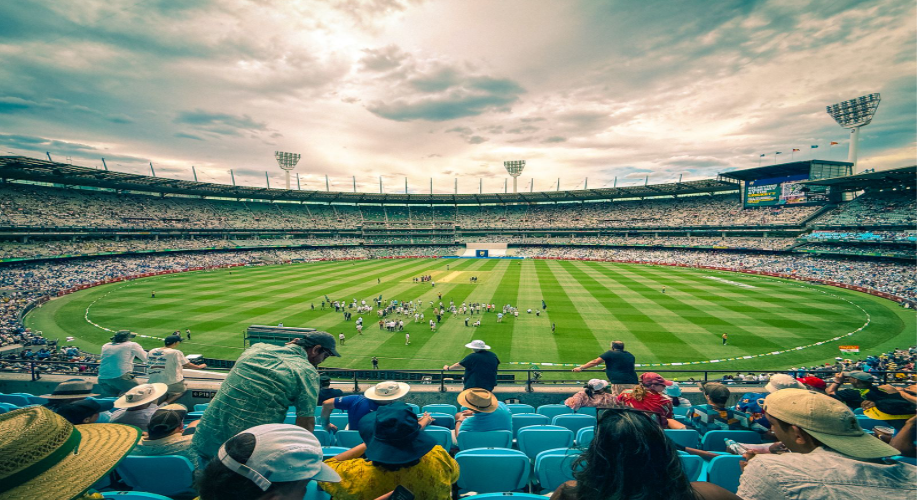
A dropped catch can produce two conversations. The match report notes the missed chance; the group chat turns it into a joke about trusting a friend with something valuable. One reaction depends on the match, while the other borrows an experience that people recognise outside cricket. The strongest caption connects those two ideas without needing a paragraph of explanation.
IPL reaction posts work especially well when readers can identify the moment immediately. A familiar player, an anxious final over or an unexpected fielding error supplies the context. The caption adds a viewpoint. For anyone writing matchday posts, the editorial problem is deciding which detail to keep, which to remove and which claim needs checking before the joke leaves the original chat.
One recognisable detail can carry the caption
Start with the event rather than an adjective. “What a crazy match” could describe hundreds of games. A line about checking the required rate after every ball points to a specific kind of tension.
Write the first version in plain language, then remove the explanation the image already supplies. If the picture clearly shows a supporter covering their eyes, the caption can describe the expectation or worry behind the gesture. Repeating “a nervous fan” contributes little.
Three original caption approaches offer different starting points:
- Before the chase: “The calculator is warming up before the batters.”
- During a pause: “Checking the score again, as if the refresh button can help.”
- After a reversal: “That prediction aged faster than the next delivery.”
Use them only where the situation fits. A caption about a chase does not belong under footage from the first innings merely because it sounds sharper than the accurate alternative.
For bilingual posts, check whether the joke survives translation before keeping both versions. Wordplay may need rewriting rather than a literal substitution. Preserve the player’s name and the match detail that makes the reaction understandable.
Old footage needs a visible date
A familiar clip can acquire a false meaning when reposted during a new match. Check the teams, kit, score graphic and match listing before calling it a reaction to today’s game. A similar expression is not evidence that two images show the same event.
IPL’s official video pages provide match highlights and other league footage that can help establish context. Use the original description to identify the contest instead of trusting a repost’s label. Finding the source helps verification; it does not automatically grant permission to re-upload the footage.
If a post uses an older moment to describe a current feeling, say so. “An old clip, today’s mood” preserves the joke while avoiding a claim about when the image was recorded. That small distinction matters once the caption is shared without the original conversation.
Reading a prediction joke beside a price
A fan’s confident pre-match joke expresses allegiance, not a measured probability. A screenshot of odds makes a more specific claim about a market at a particular moment. Adult discussions of IPL online betting should retain the market name and timestamp when a price forms part of a reaction post. Otherwise, a changed line can be presented as a contradiction even though the game has moved on. A humorous prediction also says nothing about the settlement rules governing an actual selection.
Check the label before sharing an app graphic
Keep download-related posts equally precise. A logo pasted onto a match graphic does not verify the source of an application. Adults encountering a MelBet download APP page should check its publisher and account conditions before sharing it with a claim about live cricket markets. A download label does not establish the accuracy of displayed odds or the availability of a particular market. Captions should describe what has been checked instead of converting recognition of a brand into an endorsement.
Whose words and pictures are these?
Original wording gives a reaction post a voice beyond the borrowed image. Do not attribute a funny line to a player unless a recording or dependable report supports the quotation. Invented dialogue can still mislead when the quotation marks travel further than the joke’s explanation.
YouTube’s copyright guidance warns that giving credit alone does not establish a right to use someone else’s content. Treat attribution and permission as separate questions. When rights are uncertain, an original text reaction avoids the need to republish a broadcast clip.
The same care improves fan edits. A caption can explain what the editor changed instead of presenting a montage as uninterrupted match footage. Label parody or altered images where the alteration could otherwise be mistaken for a real event.
Leave room for the reply
A matchday post does not need to settle every argument. A specific question about the bowling change or the timing of an innings can invite responses with more substance than a request for generic agreement.
Read the finished post without the image, then view the image without the caption. Check whether either version accidentally claims a false score, date or quotation. If the joke depends on a fact that has changed, update the wording before sharing rather than expecting a later comment to correct the post.
